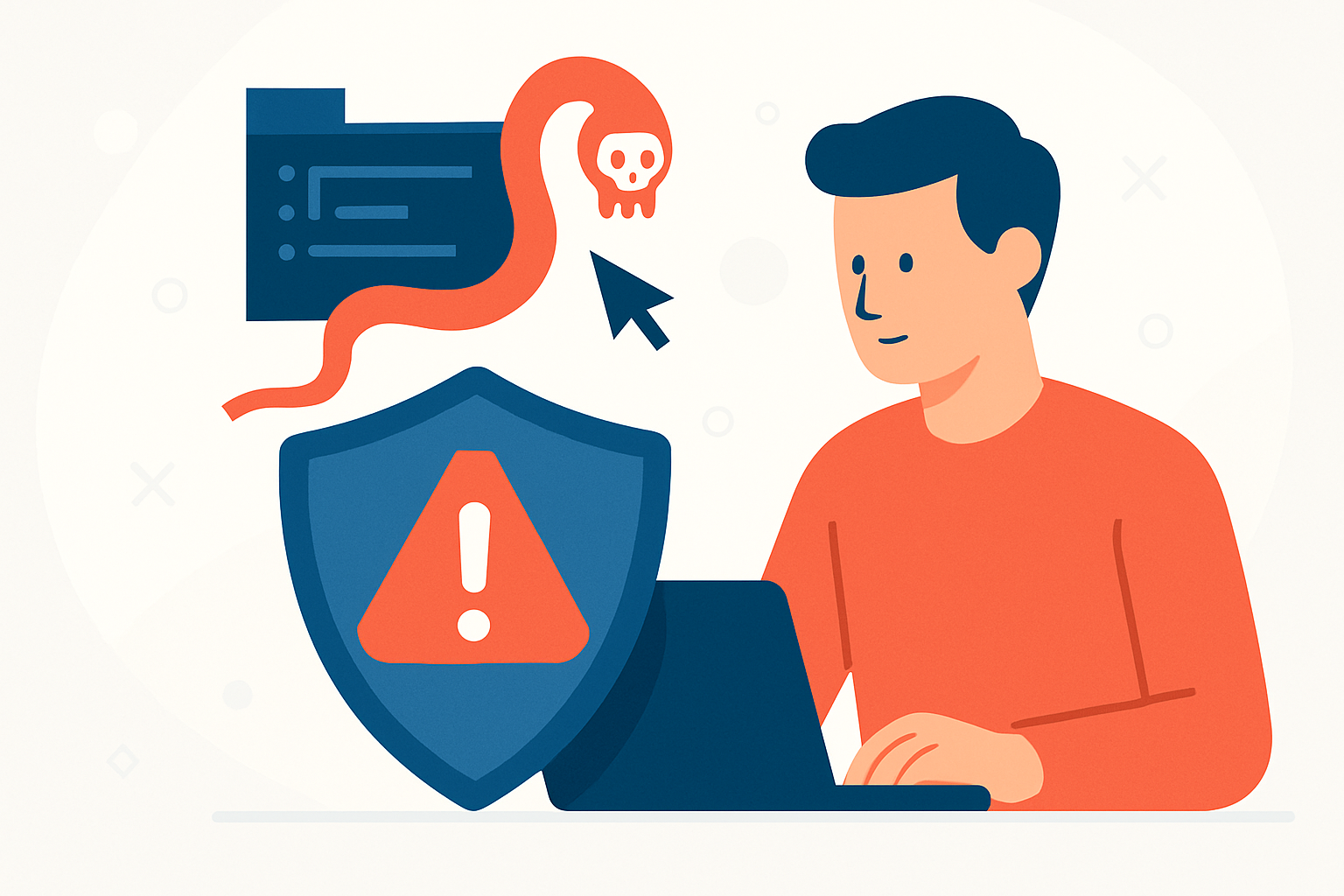
In a concerning development for developers and enterprises relying on AI-driven coding platforms, researchers have identified a critical vulnerability in Cursor IDE that allows for the execution of malicious code from poisoned repositories. Despite being reported to Cursor in December, the vulnerability remains unpatched, leaving users exposed to potential attacks.
The vulnerability is particularly alarming as it enables attackers to inject malicious code into repositories that are then automatically executed by Cursor IDE. This can lead to unauthorized access, data theft, and further compromise of systems integrated with the platform. The issue was highlighted in a recent report by Dark Reading, which underscores the urgency for a fix given the platform's widespread use among developers.
Cursor IDE's reliance on AI to streamline coding processes is a double-edged sword. While it enhances productivity, it also opens up new vectors for exploitation, especially when security measures are not robustly implemented. The vulnerability in question allows attackers to manipulate the AI-driven auto-execution feature, turning a tool designed to aid developers into a potential threat vector.
Organizations using Cursor IDE should be aware of the heightened risk and take immediate steps to mitigate potential impacts. This includes reviewing and tightening access controls, implementing strict code review processes, and monitoring for unusual activity that could indicate exploitation attempts.
The business impact of such vulnerabilities can be profound, affecting not only the integrity of development projects but also exposing sensitive data to unauthorized parties. Companies in regulated industries may face additional compliance challenges if data breaches occur as a result of this vulnerability.
As the cybersecurity landscape continues to evolve, the incident serves as a stark reminder of the importance of proactive vulnerability management and the need for vendors to prioritize security patches. Organizations are advised to stay informed through reliable sources such as Dark Reading and to engage with their security teams to ensure that all potential risks are addressed promptly.
Key takeaways
- Review and tighten access controls for Cursor IDE.
- Implement strict code review processes to detect malicious code.
- Monitor for unusual activity that could indicate exploitation attempts.
Source: darkreading
Need help with IT, security, or operations?
Impetra provides managed IT, cybersecurity, assessments, and practical automation for Connecticut businesses.
Book a free 15-min review