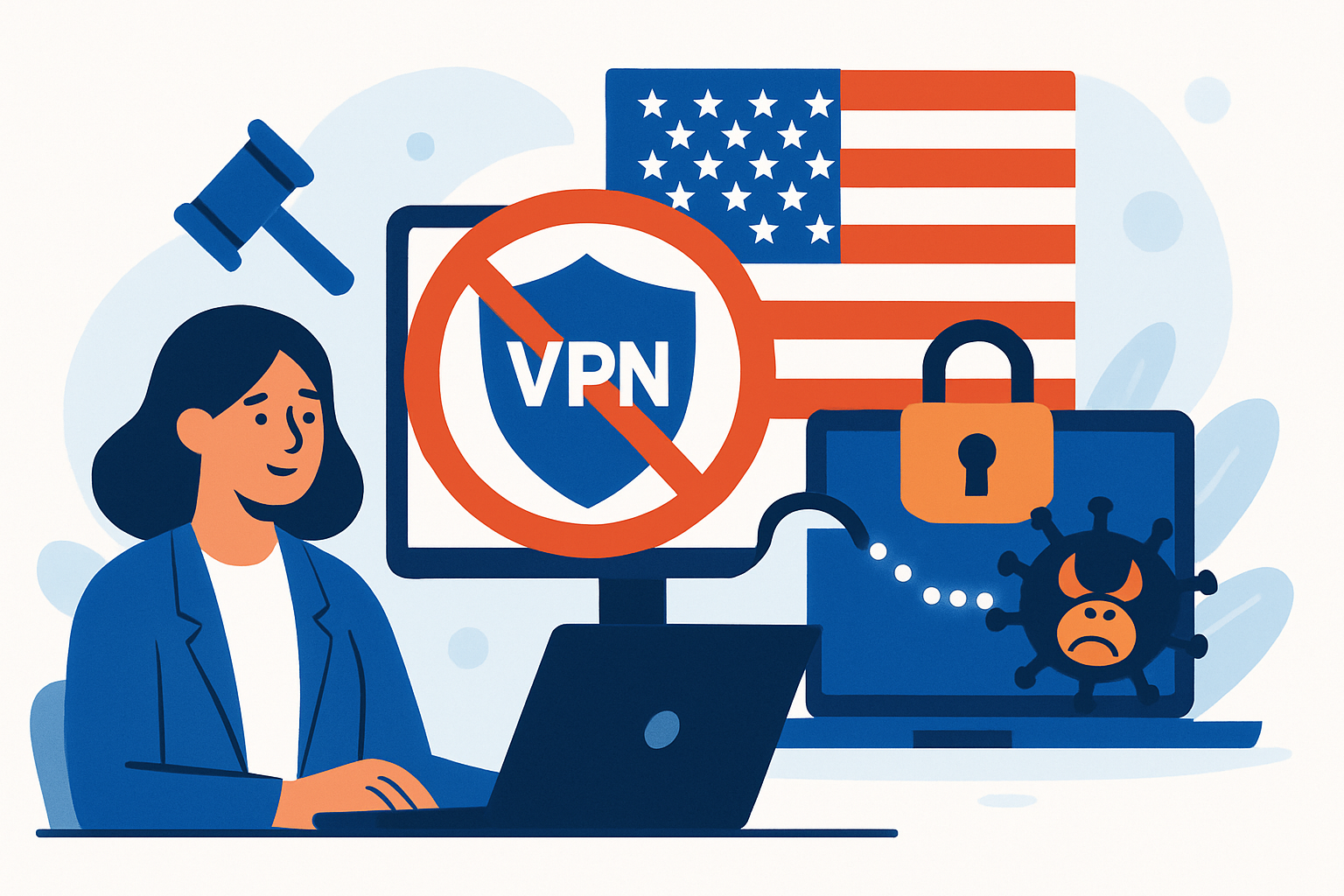
In an unprecedented action, the U.S. Treasury Department's Office of Foreign Assets Control (OFAC) has sanctioned First VPN Service (1VPNS) and two individuals for their roles in supporting ransomware operations. This marks the first time a VPN service has been targeted by U.S. sanctions, underscoring the increasing focus on infrastructure that enables cybercriminal activities.
The sanctioned VPN, 1VPNS, is accused of providing services to ransomware groups, facilitating attacks against American entities. The individuals involved include a 45-year-old Ukrainian national, who allegedly played a key role in the operation. The sanctions aim to disrupt the financial networks of these cybercriminals, making it more challenging for them to profit from their illicit activities.
This move by OFAC highlights the growing recognition of the role that infrastructure providers play in the cybercrime ecosystem. By targeting these enablers, the U.S. government seeks to cut off critical support that ransomware actors rely on. The sanctions are part of a broader strategy to deter cybercriminals by increasing the costs and risks associated with their activities.
For organizations, this development serves as a stark reminder of the importance of scrutinizing third-party services. VPNs, while essential for secure communications, can also be exploited by malicious actors if not properly vetted. Security teams must ensure that their VPN providers adhere to strict security standards and are not implicated in any illicit activities.
The implications of these sanctions extend beyond the immediate targets. They send a clear message to other service providers that facilitating cybercrime will not be tolerated. This could lead to increased compliance and due diligence efforts across the industry, as providers seek to avoid similar repercussions.
Organizations are advised to review their relationships with third-party service providers, particularly those offering VPN services. Ensuring that these providers are reputable and compliant with international regulations is crucial to maintaining a robust security posture. Additionally, businesses should stay informed about regulatory changes and potential sanctions that could impact their operations.
The original report by The Hacker News provides further details on the sanctions and their implications for the cybersecurity landscape.
Key takeaways
- Review and vet third-party VPN providers for compliance and security standards.
- Stay informed about regulatory changes and potential sanctions affecting service providers.
- Enhance due diligence efforts to ensure third-party services do not facilitate cybercrime.
Source: The Hacker News
Need help with IT, security, or operations?
Impetra provides managed IT, cybersecurity, assessments, and practical automation for Connecticut businesses.
Book a free 15-min review